What is the Stambha?
The first post of the Padmaloka Stambha, explaining the inspiration from a piece of Indo-tibetan architecture, showing some of spring time at Padmaloka, and welcoming our newest community members.
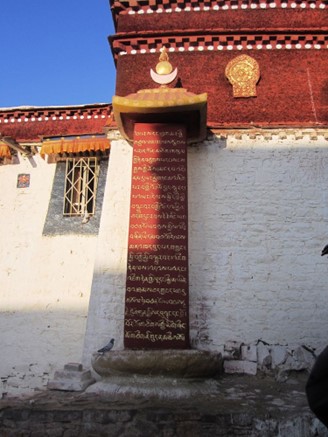
A stambha (Sanskrit: स्तम्भ English: stambha) is a pillar or a column employed in Indian architecture. A stambha sometimes bears inscriptions and religious emblems. Stambha also means support, propping, strengthening, fixedness, rigidity. In the 3rd Century BCE Ahsoka, the emperor of Magadha - the first pan Indian Empire, erected important Stambhas across India that he named the Dharma Stambhas, these and others like it have been a great source of information for historians.
The photo above is of the "Inscription Pillar” or “Rdo Rings” at Samye Monastery, erected in the 8th century, around the time of the monastery's founding. Richardson describes this pillar in “A Corpus of Early Tibetan Inscriptions" Royal Asiatic Society, 1985, pp. 26-31:
"The inscription is on a pillar of hard reddish stone standing on a worn lotus-shaped base of some softer light-coloured stone against the east wall of the great temple of Bsam-yas (Samye) a little to the south of the main entrance. It is remarkably well preserved.”
There is something beautiful about this inscription pillar. The pillar itself resting on a lotus flower, with the deep red column and gold inscription make for a striking combination. The connection between Padmasambhava "The Lotus Born", with his deep red skin, and Padmaloka "The Realm of the lotus", runs deep.
Welcome Friends,
Hopefully this provides some of the inspiration for the Padmaloka Stambha. An attempt to create a supportive and slightly longer-form way of keeping up to date with news, retreats, developments and communal life at Padmaloka.
This has previously been achieved using social media, however, given it's highly addictive and increasingly politicised nature, it seemed that an independent column or blog may be a better way to connect and share community life with those whom we serve here on retreat, the wider Sangha and others interested in Triratna Buddhism.
Social media seems crucial to many charities and businesses due to its convenience and volume of users. Though Padmaloka is in a unique position in the movement, a position that currently allows it the flexibility to try a different method, one that will allow for higher quality, more thought-out and slower pace of content.
The Stambha will aim to include a handwritten article of around a 7 minute read, some photographs from life here, designs or artwork from the community, and a video or two. It will also include signposts for upcoming events categorised into Open, Going for Refuge and Order rereats that correspond with comittment to the Triratna Buddhist Order. this will be posted on or around the 1st of every month. This will mainly be undertaken by myself, Sebastion, the Guestmaster at Padmaloka, although other members of the community will be able to add to the platform if they wish.
We will leave up our current social media accounts, to serve as an archive and a signpost to the Stambha, and email notifications will be available, please sign up to this here:
May at Padmaloka,
One of the most impressive and beautiful things about Padmaloka at this time are the transformations that have taken place in the garden since James Mildren began here as the Gardener. James has been applying himself methodically, intelligently, diligently and with the Virya of several humans to beautify the gardens. He has done this by gathering a Sangha of keen, green thumbed (and sometimes chainsaw wielding) Gardeners, of varying levels of experience. They have all offered their time and energy to help James serve Padmaloka, and those who come here. This was most notable during two gardening weeks James hosted over the winter months, felling, clearing and processing, making way for the spring eruption of life.
Look out if you visit this summer for a much better managed woodland, cherry wood benches, coppiced hazel, opened up vistas, woodchipped paths, re-bedded rose-beds and wildflower meadows.
What is most beautiful about watching James at work is how friendly and caring he is for the men who help in the garden. Whether on a work morning during retreat, the Gardening weeks or with regular volunteers, he is constantly rejoicing in their efforts around the dinner table and is diligently attentive to them. Making sure they get the most out of the work.
Chris Gruchy, who frequently helps out in the garden said:
‘James’ friendliness toward helpers is what is making the garden blossom.’
New Community Members!
We have been lucky enough in the last few months to welcome, not one, not two but 6 new community members into the community:
On the Ordination Team:


On the Support Team: Tomo Richardson who is training to replace Akashaja in Maintenance, Emiliano who has come from all the way from Mexico to join us for 5 months as part of his Ordination Training and Ben Beasley who is managing the Kitchen.
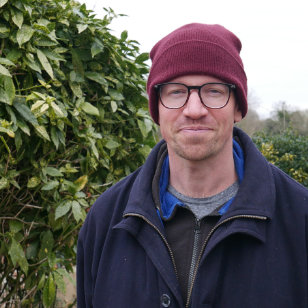


Joining the Padmaloka community is a big comittment, it can be daunting and therefore requires courage. It also means a reconstitution of the community, which is reborn with the added qualities of the individuals who have joined. A wonderful process and one of the conditions of living in a spiritual community that means one can never quite settle down.
Oscar goes forth!
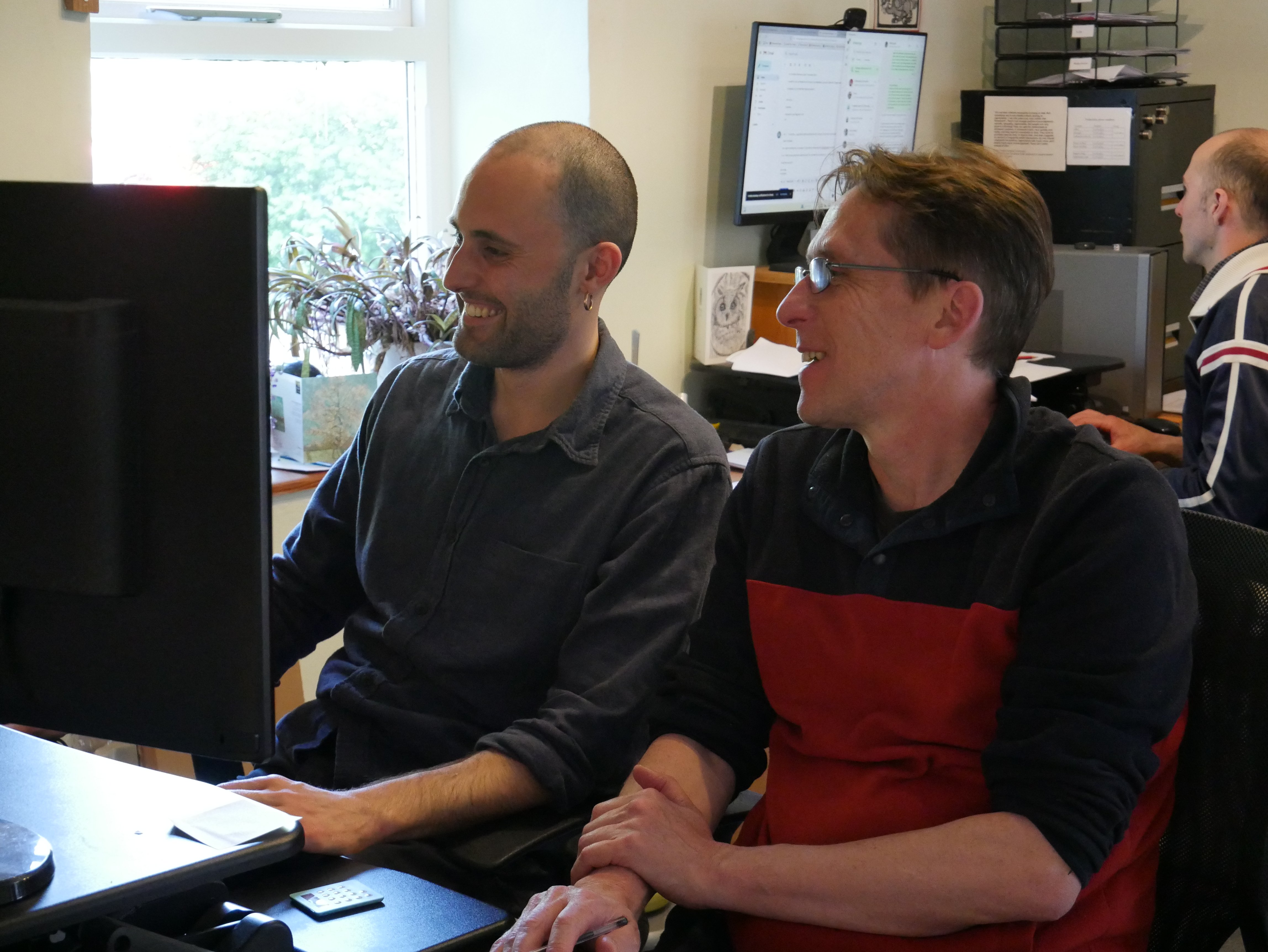
Another wonderful thing about being apart of the Padmaloka community is being able to send off one of our own to Guhyaloka to become Ordained.
Oscar is a great boon to the support team, his going forth extends beyond leaving Australia to come to the UK, beyond walking from London to Norfolk to live at Padmaloka, beyond taking on an unfamiliar role and developing it to a great extent, but Oscars going forth enters into his day to day communication, the tenacity of his practice and his wholehearted friendliness. It is a delight living with Oscar, he is an exemplar of the path and a great guide and friend to those who are newer to Padmaloka, especially within the context of the Going For Refuge Group that I am lucky to have shared with him. We are also very grateful to have Maitridasa looking after the accounts for us while Oscar is away at Guhyaloka, a great boon to the community bringing diligence, playfulness and emotional intelligence to the team.
Thank you for reading.
Image Gallery